

Cannabis Banking for Detroit
Detroit Cannabis Banking
Detroit cannabis banking means business accounts for cannabis companies licensed by the city and the CRA. Herring Bank provides checking, savings, courier cash pickup and payroll.
Ready to get started?

Detroit Cannabis Banking Under City and State Licensing
Herring Bank’s Cannabis Banking program in Detroit works with businesses that hold a city license under Detroit’s marijuana licensing ordinance and a state license from the CRA. We provide business checking and savings accounts, 24/7 online banking, payment processing and electronic tax payments, so a licensee can manage its money and its filings through one banking relationship.
To support both the medical and recreational marijuana sectors in Detroit with financial services, Herring Bank has established an extensive network of armored courier services for securely moving money to reduce the dangers of handling a lot of cash. We provide financial services for legal cannabis related businesses.
Key Takeaways
- Online and mobile banking give Detroit owners a view of every account, whether they run a single Legacy storefront or a group of grow, processing and retail licenses.
- We open accounts for businesses that hold both a City of Detroit license and a CRA license, keep both on file and review them again during ongoing monitoring.
- Herring Bank applies FinCEN’s BSA/AML guidance to every Detroit account, including enhanced due diligence; the SAFE Banking Act of 2026 is in committee and has not become law.
Payroll and payments are part of the program: direct deposit for employees, plus ACH and wire transfers for vendors, landlords and the state. Growers and processors can remit Michigan’s 24% wholesale marijuana tax, in effect since January 1, 2026, from their operating account, and retailers can file the 10% excise and 6% sales taxes the same way.
This custom banking solution shows Herring Bank’s commitment to improving how cannabis businesses operate and succeed financially in Detroit’s legal marijuana market, including the medical marijuana sector. By offering these innovative banking services, Herring Bank is a key partner for medical marijuana and cannabis businesses looking to for financial services in Detroit.
Financial Services for Detroit Dispensaries, Growers and Consumption Lounges
Detroit cannabis businesses answer to two regulators. The city’s Office of Cannabis Affairs oversees city licensing, zoning and permits, and the CRA handles state licensing and Metrc tracking. Herring Bank opens business checking and savings accounts for licensed dispensaries, growers, processors and microbusinesses, so cash flow and payments are documented in a way both levels of oversight can follow.
Digital tools carry much of the day-to-day work. Online and mobile banking let an owner check balances from anywhere, at any hour, and send payments without a trip to a branch. Debit cards, check services and money market accounts give a Detroit cannabis company the same everyday options other local businesses use, and our team explains up front how cannabis accounts are monitored, so owners know which documents to keep ready.
Marijuana Banking in Detroit for Adult-Use and Medical Licensees
Herring Bank’s Cannabis Banking Program gives Detroit licensees checking and savings accounts set up for cannabis businesses. Online banking is open 24/7, so owners can review deposits, accept customer payments and submit electronic tax payments outside business hours. For a consumption lounge or a dispensary that stays open late, the day’s activity can be checked after closing instead of the next morning.
Cash moves through Detroit dispensaries every day, so we pair cash management accounts with scheduled pickup and delivery through our preferred armored courier. Operators who hold several licenses, such as a grow, a processing site and a storefront, can keep a separate account for each licensed entity.
For staff, Herring Bank offers employee accounts, direct deposit payroll, ACH payments and wire services. City and CRA licensing documents stay on file, and each Detroit relationship is managed under FinCEN’s BSA/AML expectations, from account opening through ongoing reviews.
2026 Cannabis Banking in Detroit: Local Licensing, State Rules and Market Status
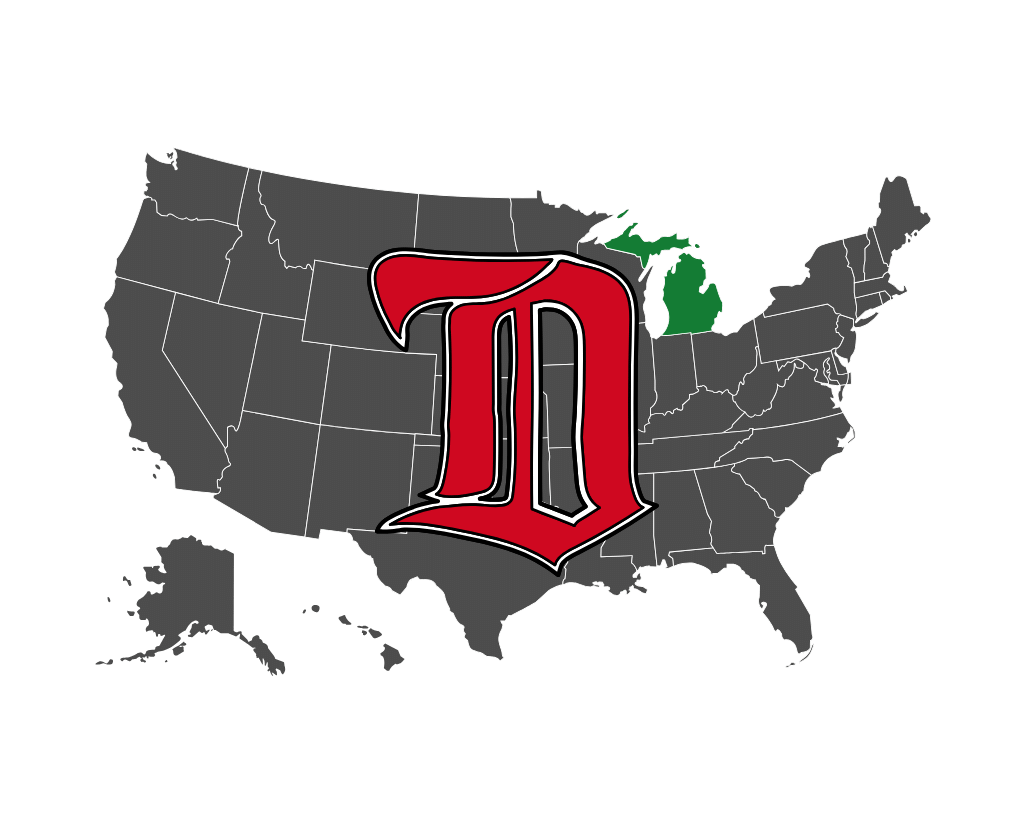
Detroit opted in to adult-use cannabis with its own city license, so operators answer to a city office as well as the state.
| Topic | Detroit |
|---|---|
| Local status | Opted in to medical and adult-use businesses under City Code Chapter 20, Article VI (Ordinance 2022-11), with numerical caps on limited licenses for retailers, consumption lounges and microbusinesses. |
| Local licensing office | City license from the Office of Cannabis Affairs, which also runs Detroit Legacy certification; state license from Michigan’s Cannabis Regulatory Agency. |
Detroit came late to adult-use cannabis, but it built one of the most deliberate local licensing programs in Michigan. Statewide adult-use sales began in 2019, but Detroit did not license adult-use businesses until after the city approved its recreational ordinance in 2022; it awarded its first adult-use retail licenses that December. Today Detroit’s dispensaries, growers, processors and consumption lounges operate under two layers of rules, city and state, and each one shapes how a Detroit cannabis business needs to bank.
How Detroit Licenses Adult-Use Cannabis Businesses
Detroit’s program is run by the Office of Marijuana Ventures and Entrepreneurship, now part of the city’s Civil Rights, Inclusion and Opportunity department, under the city’s marijuana licensing ordinance. Its defining features:
- Detroit Legacy priority: the ordinance sets aside at least half of the licenses in the limited categories for certified Detroit Legacy applicants, generally businesses at least 51% owned by certified long-time Detroit residents who have lived in the city for at least 15 of the last 30 years.
- Limited retail rounds: retail, microbusiness and consumption lounge licenses were awarded in capped rounds. The first round in December 2022 produced 33 adult-use retail licenses, 20 of them to equity applicants, and a second round in November 2023 awarded 37 more licenses, most of them for dispensaries plus consumption lounge and microbusiness approvals.
- Legacy-owned storefronts: the first new Detroit Legacy adult-use dispensary, Nuggets Cannabis Co. on Telegraph Road, held its grand opening in March 2023.
- Zoning and permits: every location still needs city zoning approval and building permits in addition to its city and state licenses.
Michigan Rules That Apply in Detroit
Every Detroit licensee also holds a state license from Michigan’s Cannabis Regulatory Agency (CRA) and records inventory and sales in Metrc. Michigan legalized medical marijuana in 2008 and adult-use marijuana in 2018, and MRTMA lets each municipality decide whether, and how many, marijuana businesses to allow. Taxes have become a bigger issue in 2026:
- Retail taxes: a 10% marihuana retailers’ excise tax plus 6% sales tax on adult-use purchases.
- New wholesale tax: since January 1, 2026, a 24% wholesale marijuana tax applies when growers and processors first sell or transfer adult-use marijuana to a retailer. Industry lawsuits challenging the tax were still pending in 2026, so Detroit cultivators and processors must collect and remit it for now.
- Local revenue: for fiscal year 2025, the state sent $54,017.10 to host communities for each licensed retailer and microbusiness, part of nearly $94 million distributed statewide.
Detroit’s Place in Michigan’s Cannabis Market
Statewide, Michigan retailers sold about $3.17 billion of cannabis in 2025, slightly less than in 2024, even as volume rose and the average price of an ounce of flower fell 16% to about $58, according to state data reported by Ganjapreneur. Detroit’s newer, often Legacy-owned stores compete in that price-sensitive market, where efficient cash handling and low banking friction help protect margins. Earlier research by the Anderson Economic Group estimated Michigan’s total cannabis market at about $3.1 billion in 2020, when licensed retail accounted for only about $1.0 billion, a reminder of how much room the regulated market had to grow.
Federal Status for Detroit Cannabis Businesses
Since April 28, 2026, marijuana covered by a qualifying state medical license has been in Schedule III, but adult-use marijuana remains in Schedule I and subject to Section 280E. The SAFE Banking Act of 2026 is still in committee, so banks serve Detroit businesses under FinCEN’s 2014 guidance, with enhanced due diligence and ongoing monitoring.
What This Means for Banking a Cannabis Business in Detroit
From a first Legacy storefront to a multi-license grow and processing operation, Herring Bank helps Detroit cannabis businesses open compliant business checking and savings accounts, document city and CRA licensing for BSA/AML review, move cash safely with pickup and delivery through our preferred armored courier, and run payroll, ACH, wires and electronic tax payments, including Michigan’s excise and wholesale marijuana taxes. Ready to talk about cannabis banking in Detroit? Call 877-873-0079 or request a call back.


